
Politics
How to Register a Political Party in Nigeria

Introduction
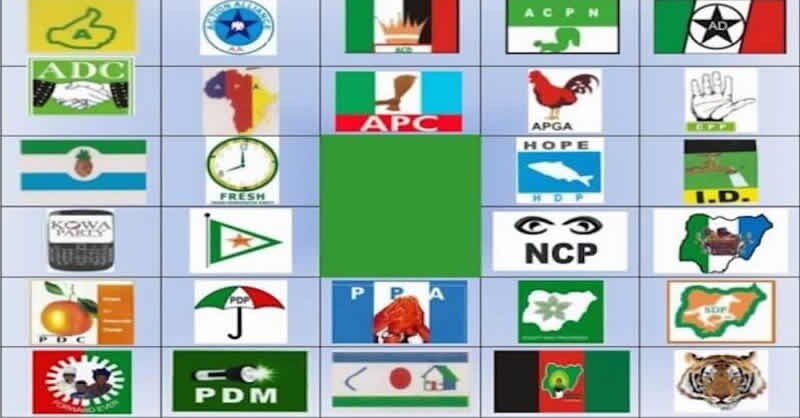
Politics in Nigeria plays a central role in shaping governance, public policy, and development. At the heart of this political ecosystem are political parties — organized groups that seek to influence government policy by nominating candidates and winning elections. In Nigeria, the process of registering a political party is structured, legally backed, and monitored closely by the Independent National Electoral Commission (INEC). This is crucial to maintaining the integrity and orderliness of the democratic process.
If you are considering registering a political party in Nigeria, whether out of ideological conviction or the desire to participate in the democratic process more actively, it is essential to understand the legal, logistical, and administrative steps involved. This article provides a thorough guide on how to register a political party in Nigeria, including eligibility criteria, documentation, financial requirements, and post-registration obligations.
Legal Framework for Political Party Registration
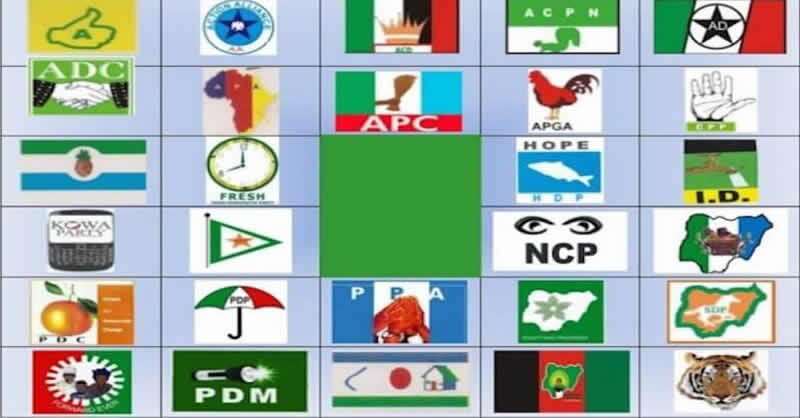
The registration of political parties in Nigeria is governed by the 1999 Constitution of the Federal Republic of Nigeria (as amended) and the Electoral Act, 2022. The body responsible for the registration and regulation of political parties is the Independent National Electoral Commission (INEC).
Section 222 to 229 of the Constitution outline provisions for political associations, while Section 75 to 79 of the Electoral Act 2022 deal with the procedures for party registration, monitoring, and compliance.
Step-by-Step Guide to Registering a Political Party in Nigeria
1. Establish a Political Association
The journey begins with the formation of a political association — a group of like-minded individuals who share a political ideology or vision. This association must:
- Have a defined political ideology or manifesto
- Operate with a provisional name and symbol (which must not be similar to any existing party)
- Have a functional headquarters within Nigeria
- Be ready to comply with all constitutional provisions
At this stage, the association is not yet recognized as a political party but is in the preparatory phase.
2. Submit a Formal Application to INEC
Once the political association is ready, it must formally apply to INEC for registration as a political party. According to Section 75 of the Electoral Act 2022, such an application must be made at least 12 months before a general election. The application should include the following:
- The party name, abbreviation, motto, and symbol
- The party constitution
- The party manifesto or program
- The address and evidence of operational offices in at least 24 states of the federation, including Abuja
- Names and addresses of national officers
- Evidence of payment of the required fees
As of the last update, the application fee for political party registration is ₦1,000,000 (One Million Naira), although this figure may be subject to change. It is advisable to check with INEC for the most current requirements.

3. Documentation Requirements
INEC requires detailed documentation to process the registration of a political party. These documents typically include:
- A written request for registration signed by the Chairman and Secretary of the association
- Constitution of the party, detailing:
- Membership rules
- Leadership structure
- Internal democracy provisions (such as procedures for primaries)
- Conflict resolution mechanisms
- Manifesto or Political Program, which outlines:
- Party’s core principles
- Policies on education, health, economy, security, etc.
- List of National Executive Committee Members, which includes:
- Chairman
- Secretary
- Treasurer
- Publicity Secretary
- Other key officers
- Sworn Affidavit from the party chairman affirming compliance with legal provisions
- Evidence of functional offices in at least 24 states (photographs, lease agreements, or ownership documents)
4. Verification by INEC

Once the application is submitted, INEC will undertake a thorough verification process. This includes:
- Verification of offices across the 24 states to ensure they are operational and not mere “virtual” addresses
- Assessment of the constitution and manifesto to ensure they comply with constitutional and democratic norms
- Inspection of documents to confirm the authenticity of names, addresses, and roles of national officers
If INEC is satisfied with the application and confirms that the political association meets all the conditions laid down in the law, it proceeds to register the political party.
5. Issuance of Certificate of Registration
Upon successful verification, INEC will issue a Certificate of Registration to the new political party. This certificate serves as legal proof that the organization is now a recognized political party in Nigeria and can begin to participate in elections, field candidates, and carry out political activities in accordance with the law.
ALSO READ: Nigeria’s Past Presidents and Their Achievements
Post-Registration Responsibilities
Registering a political party in Nigeria is not the end; it’s just the beginning. A registered party has several responsibilities under the law:
1. Periodic Financial Reporting
The Electoral Act mandates all political parties to:
- Submit an annual financial report to INEC
- Maintain a detailed record of income and expenditures
- Disclose the sources of funding, especially donations above ₦1,000,000
- Submit election-related financial disclosures (within 6 months after an election)
2. Conducting Party Primaries
Political parties must conduct democratic primaries to choose candidates for elections. These primaries must:
- Be monitored by INEC
- Be transparent and inclusive
- Comply with the party’s constitution
3. Internal Democracy and Conflict Resolution
INEC closely monitors how parties handle internal conflicts. The party’s constitution must provide mechanisms for:
- Leadership succession
- Membership disputes
- Disciplinary procedures
Failure to address these issues may lead to factional crises, which can result in INEC refusing to recognize certain factions or candidates.
4. Compliance with Electoral Guidelines
Registered political parties are bound by all electoral laws and INEC guidelines, including:
- Code of Conduct for Political Parties
- Rules against hate speech and electoral violence
- Guidelines on election campaigning and media use
Non-compliance may result in sanctions, including deregistration.

Grounds for Deregistration
According to Section 78(7) of the Electoral Act 2022, INEC has the power to deregister political parties under the following conditions:
- Failure to win at least 25% of votes in a presidential or governorship election or
- Failure to win at least one seat in the National or State Assembly
- Breach of registration conditions
- Failure to maintain operational presence in at least 24 states
Since 2020, INEC has used this power to deregister several political parties that failed to meet performance thresholds.
Challenges in Registering a Political Party
Registering a political party in Nigeria comes with several challenges:
1. Financial Costs
The cost of maintaining offices in 24 states, hiring staff, and complying with registration requirements can run into tens of millions of naira.
2. Bureaucratic Hurdles
Delays in processing, stringent verification requirements, and the need to navigate complex legal documentation can frustrate new political associations.
3. Competition from Established Parties
New political parties often face challenges gaining visibility in a political space dominated by long-standing parties like the All Progressives Congress (APC) and People’s Democratic Party (PDP).
4. Meeting Nationwide Requirements
Having a presence in two-thirds of Nigeria’s 36 states is demanding, particularly for grassroots-based or ideologically driven movements without massive funding.
Conclusion
Registering a political party in Nigeria is a rigorous process meant to ensure that only serious, credible, and ideologically sound groups can participate in the country’s democratic process. From fulfilling legal prerequisites to demonstrating nationwide presence, and from submitting detailed documents to undergoing INEC’s scrutiny, every step is designed to uphold political accountability and democratic integrity.
However, while the process is demanding, it is not insurmountable. With the right mix of vision, organization, and legal guidance, any well-structured political association can successfully register as a political party and contribute meaningfully to Nigeria’s political future.
Whether you are an activist seeking reform, a group of professionals with a new vision for governance, or a youth movement ready to transform political engagement, understanding the registration process is the first step toward meaningful political participation in Nigeria.
You Might Also Like These
 Trump Dismisses Musk’s Political Party as ‘Ridiculous’
 SDP National Chairman, Others Suspended Over Financial Misconduct
 Analysts say Musk’s proposed ‘America Party’ could pose a challenge to Trump’s political influence.
 Don’t Treat Us Like Conquered People, PDP Warns APC
 How to Get Your PVC in Nigeria: Step-by-Step Guide in 2025
 Excited ADC Loyalists Flock to Lagos Airport to Greet Aregbesola
 Enugu APC blasts Foreign Affairs Minister, Onyeama over arrest of party chieftain
 Anambra2013: Police Arrest 100 ‘Imported’ Voters
 Defections Threaten Majority Of Nigerian Leader Jonathan’s Party
 Nigeria LNG Limited Hot Jobs (32 Positions)
Computer virus destroys Permanent Voters’ Card data in Delta State
Nigeria LNG Limited Hot Jobs (32 Positions)
Computer virus destroys Permanent Voters’ Card data in Delta State
 2023 Elecion: INEC will disenfranchise millions of youths – LP raises alarm
